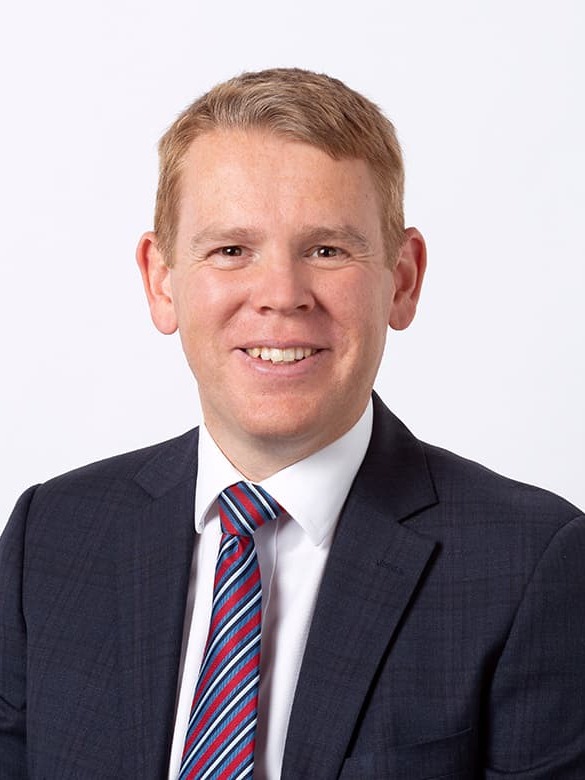
Chris Hipkins: A Political Journey from Prime Minister to Opposition Leader
The political landscape of New Zealand is often dynamic, with leaders rising and transitioning through various demanding roles. Few recent figures embody this journey quite like Chris Hipkins. For anyone consulting the Chris Hipkins Wiki, his career is a testament to dedication, resilience, and the ever-shifting tides of public service. From a long-serving Member of Parliament to a pivotal minister during unprecedented times, then briefly ascending to the nation's top job, only to lead the opposition, Hipkins' trajectory offers a fascinating case study in modern New Zealand politics.
Currently serving as the Leader of the Official Opposition since November 27, 2023, and the Leader of the New Zealand Labour Party since January 22, 2023, Hipkins has spent over a decade and a half in the political arena. His path through various portfolios and the ultimate challenge of national leadership highlight both the rewards and rigors of parliamentary life.
The Formative Years and Ascent Through the Ranks
Chris Hipkins' commitment to public service began long before he held the nation's highest office. He first entered the New Zealand Parliament as the Member for Remutaka on November 8, 2008. His electoral history, a consistent record of re-election through six legislative terms (49th, 50th, 51st, 52nd, 53rd, and 54th legislatures), underscores his strong connection with his constituency and enduring presence within the Labour Party. This longevity provided him with a deep understanding of parliamentary processes and the intricate workings of government.
Before his premiership, Hipkins distinguished himself in a series of significant ministerial roles under Prime Minister Jacinda Ardern. He served as Minister of Education and Minister for the Public Service, portfolios that allowed him to shape crucial aspects of New Zealand society. However, it was his appointment as the Minister for COVID-19 Response from November 6, 2020, to June 14, 2022, that truly brought him into the national spotlight. During a global pandemic, Hipkins was at the forefront of New Zealand's widely praised public health strategy, communicating complex information, implementing lockdown measures, and overseeing vaccination rollouts. This role demanded immense responsibility, effective communication, and a steady hand during a period of national uncertainty. His performance earned him a reputation for being clear, calm, and capable under pressure. For more details on this critical period and his broader career as an MP, see Chris Hipkins: NZ's Former COVID-19 Minister & Long-Serving MP.
Following his tenure as COVID-19 Minister, Hipkins also took on the challenging portfolio of Minister of Police from June 14, 2022, until he became Prime Minister. These diverse roles showcased his versatility and capacity to manage high-stakes government departments, preparing him for the ultimate leadership challenge.
A Brief but Pivotal Premiership: Navigating the Helm
The political landscape shifted dramatically in January 2023 when Jacinda Ardern announced her resignation as Prime Minister. In a swift transition, Chris Hipkins was elected Leader of the Labour Party on January 22, 2023, and subsequently sworn in as the 41st Prime Minister of New Zealand on January 25, 2023. This unexpected ascent placed him at the helm of a nation grappling with economic challenges, the lingering effects of the pandemic, and a general election looming later that year. To understand the context of this succession, you can read more at Chris Hipkins' Leadership: Jacinda Ardern's Successor as Labour Chief.
During his brief but impactful premiership, from January 25 to November 27, 2023, Hipkins led the "Hipkins Government," a coalition with the Green Party. Under his leadership, the monarch remained King Charles III, and Dame Cindy Kiro continued as Governor-General. He also held additional portfolios as Minister for National Security and Intelligence and Minister Responsible for Ministerial Services, demonstrating the significant demands placed on a prime minister.
Hipkins immediately sought to reset the government's agenda, focusing on the "bread and butter" issues facing New Zealanders, particularly the cost of living. He aimed to streamline policy, reduce government spending where possible, and communicate a clear vision for the country's economic recovery. However, the Labour Party faced an uphill battle against rising inflation, voter fatigue after years of pandemic restrictions, and a resurgent opposition.
Despite his efforts to connect with voters and articulate a vision for the future, the general election on October 14, 2023, resulted in a change of government. The National Party, led by Christopher Luxon, secured enough support to form a new government, bringing Hipkins' tenure as Prime Minister to an end. This transition saw Christopher Luxon not only succeed him as Prime Minister but also, in a cyclical political turn, his immediate predecessor as Leader of the Opposition.
Leading from the Opposition: The New Chapter
On November 27, 2023, Chris Hipkins formally transitioned from Prime Minister to Leader of the Official Opposition, with Christopher Luxon stepping into the premiership. This role, while less executive, is equally vital for a healthy democracy. As Opposition Leader, Hipkins is tasked with holding the new government accountable, scrutinizing its policies, and articulating alternative visions for New Zealand's future. He remains the Leader of the Labour Party, charged with rebuilding its strength and preparing it for the next electoral cycle.
The challenges for Hipkins in opposition are considerable. He must work to unify the Labour Party, which faced a significant electoral defeat, and clearly define its identity and policy platform for the coming years. This involves engaging with constituents, developing robust policy alternatives, and effectively communicating Labour's message to a potentially skeptical public. His leadership will be crucial in restoring confidence and trust in the party as it aims to regain government in future elections.
A significant part of this role involves strategic thinking and effective communication. Hipkins must master the art of constructive criticism, challenging the government without appearing overly negative, and presenting Labour as a credible government-in-waiting. This requires both strong parliamentary performance and a compelling public presence.
Key Insights from Chris Hipkins' Political Journey
The journey detailed in the Chris Hipkins Wiki provides several valuable insights into the nature of political leadership and public service:
- Resilience and Longevity: Hipkins' consistent re-election as an MP for over 15 years demonstrates the importance of grassroots connection and sustained commitment to a local community. This long tenure provides a strong foundation for national leadership roles.
- Crisis Management Expertise: His role as COVID-19 Response Minister solidified his reputation as a pragmatic and effective leader during times of national emergency. This experience is invaluable, not just in government but also in understanding the demands on any future administration.
- The Weight of Succession: Taking over from a highly popular and globally recognized leader like Jacinda Ardern presented unique challenges. It highlighted the difficulty of maintaining momentum and carving out a distinct identity when succeeding a charismatic figure, especially in the run-up to an election.
- Adaptability in Public Service: The rapid transition from being the head of government to leading the opposition requires significant adaptability. It demands a shift in strategy, communication style, and focus – from implementing policy to scrutinizing it. This flexibility is a hallmark of experienced political leaders.
- The Cyclical Nature of Democracy: Hipkins' journey underscores the core principle of democratic transitions. Leaders rise and fall, governments change hands, and the opposition plays a critical role in maintaining accountability and offering alternatives. Understanding this cycle helps citizens appreciate the different functions within a parliamentary system.
Chris Hipkins' political career is a dynamic narrative of service, leadership, and adaptation. His journey from a long-serving MP to a crisis-response minister, then to Prime Minister, and now to Opposition Leader, reflects the complex and often demanding nature of politics in a modern democracy. Each chapter of his story, readily accessible through resources like the Chris Hipkins Wiki, contributes to a comprehensive understanding of New Zealand's recent political history.